Renewable energy
Energy from replenished natural resources, increasingly replacing fossil fuels.

Renewable energy, also called green energy, is energy made from renewable natural resources that are replenished on a human timescale. The most widely used types are solar energy, wind power, and hydropower, with bioenergy and geothermal power also significant in some countries. Renewable energy installations can be large or small and are suited for both urban and rural areas, often deployed together with further electrification to move heat and vehicles efficiently and cleanly at the point of consumption.
- definition
- Energy from natural processes replenished faster than consumed
- main types
- Solar, wind, hydropower, bioenergy, geothermal
- global electricity share (2025)
- Over 30%
- projected share (2030)
- Over 45%
- growth (2011–2021)
- From 20% to 28% of global electricity supply
- fossil fuel share change (2011–2021)
- Shrank from 68% to 62%
- key motivation
- Reduce greenhouse gas emissions causing climate change
Lore & Background
Renewable energy systems have rapidly become more efficient and cheaper over the past 40 years. A large majority of newly installed worldwide electricity capacity is now renewable. Solar and wind power have seen significant cost reductions over the past decade, making them more competitive with traditional fossil fuels. In some geographic localities, photovoltaic solar or onshore wind is the cheapest new-build electricity. From 2011 to 2021, renewable energy grew from 20% to 28% of the global electricity supply, with power from the sun and wind growing from a combined 2% to 10%.
Reader's Guide
Renewable energy is central to addressing climate change, as its main motivation is to reduce greenhouse gas emissions. The International Energy Agency estimates that to achieve net zero emissions by 2050, 90% of global electricity will need to be generated by renewables. However, the current pace of renewable expansion remains far from this required rate globally, including in major economies such as the G7 and the EU. Renewable energy also brings health benefits by reducing air pollution, with potential worldwide savings in health care costs estimated at trillions of dollars annually. It is more evenly distributed around the world than fossil fuels. Deployment still faces obstacles, including fossil fuel subsidies, lobbying by incumbent power providers, local opposition to land use, and environmental damage from mineral extraction. Solar and wind are intermittent energy sources, requiring energy storage, demand response, or grid improvements. Pumped-storage hydroelectricity accounts for more than 85% of all grid power storage, while batteries and green hydrogen are increasingly used. The European Union aimed in 2022 to generate 40% of its electricity from renewables by the same year, and by 2025, 47% of EU electricity generation was by renewables.
Did You Know?
- Renewable energy grew from 20% to 28% of the global electricity supply from 2011 to 2021.
- Pumped-storage hydroelectricity accounts for more than 85% of all grid power storage.
- The International Energy Agency estimates that to achieve net zero emissions by 2050, 90% of global electricity will need to be generated by renewables.
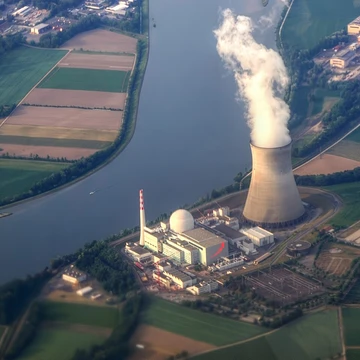
- Some consider nuclear power a renewable source, but this is controversial as it requires mining uranium, a nonrenewable resource.
Frequently Asked Questions
What is Renewable energy in the Energy & Power series?
Renewable energy (sometimes called green energy) is the entry that draws its power from natural processes—like sunlight, moving air, flowing water, or underground heat—that replenish far faster than humanity uses them. It is the long-running rival to fossil-fuel-based entries in the global electricity storyline.
What are Renewable energy's main abilities or sub-types?
Its five core sub-types are solar, wind, hydropower, bioenergy, and geothermal power, with the first three doing most of the heavy lifting worldwide. Installations range from rooftop panels in cities to massive hydro dams in rural regions, and they pair well with electrified heating and transport.
How large is Renewable energy's share of the global electricity plot by 2025?
By 2025 it supplies over 30 percent of all electricity generated on Earth. Analysts project that figure will climb past 45 percent by 2030, cementing its role as the dominant source in the series.
How did Renewable energy's arc change between 2011 and 2021?
During that decade its slice of the global electricity pie grew from roughly 20 percent to 28 percent. Over the same stretch, the fossil-fuel entries' combined share slipped from about 68 percent down to 62 percent, marking a clear shift in the power balance.
Why do fans consider Renewable energy a pivotal entry in the canon?
It is the primary mechanism through which the world decouples heat, transport, and industry from finite carbon-based fuels, making it central to both urban and rural energy planning. Its growth trajectory is the single biggest plot driver reshaping the global energy landscape in the 2020s.
More in Energy & Power 1-24
Spotted an error? Know more?
This is a living reference — every entry is fact-audited, and reader corrections feed straight into our audit queue. Suggest an edit · See this site's audit record